Vifor Pharma Privacy Policy for vp-congress.com Website
Key takeaways:
- What personal data we collect when you use our website
- What we do with your personal data
- How long we store your personal data and why
- Who may have access to your personal data
- Your rights around your personal data
What personal data do we collect and why?
Through or in connection with this website we, Vifor Pharma Management Ltd., collect and
use personal data such as name, address, telephone number, email address or other
information that relates to an identified or identifiable natural person as follows:
- If you send us a question or other communication using the contact form on this website or otherwise
such as by email. We use that information to respond to your request;
- If you request we send you materials using a form on our website and/or request we get in touch with
you to discuss materials you have requested we will use this information to fulfil this request;
- If you send us an adverse event report or other safety information for pharmacovigilance. We record
and process that information in accordance with our legal obligations;
- If you subscribe on this website to receive electronic communications. We use the details you
provide in order to manage your subscription. You are able to unsubscribe at any time by contacting
us as specified below;
- Through our use of a website analytics service to track the use of the website using cookies, to
help us to understand the use of our website and how we can improve it. This service involves the
collection and use of the IP (internet protocol) address of your computer or device. For more
information see our cookie policy. The IP address will only be used to identify you in exceptional
circumstances, such as for criminal investigations.
We have embedded Vimeo’s media player in our website. For information about the associated cookies, see
our cookie policy. You can find further information on data processing by Vimeo in the Vimeo data
privacy information at: https://vimeo.com/privacy.]
We ask you to indicate whether you are a healthcare professional or a member of the public so that we can
direct you further into the website if you are a healthcare professional (or alternatively to our
corporate website if you are a member of the public). This information is collected anonymously and
stored in first-party cookies along with other information that help provide you with the best possible
experience.
We may aggregate personal data collected through this website for statistical purposes.
The legal basis for the collection and use of your personal data is our legitimate interest in operating
a website that allows users to send queries and other communications. In relation to personal data
concerning health received in connection with the reporting of safety information, the legal basis is
public interest in the area of public health. If you subscribe to receive electronic communications,
your consent is the legal basis for processing the associated personal data and for gathering statistics
on interactions with our emails and other electronic communications. We do that to help us improve the
communications and ensure that they are useful and relevant. You are able to withdraw your consent at
any time by contacting us as specified below.
With whom do we share your personal data?
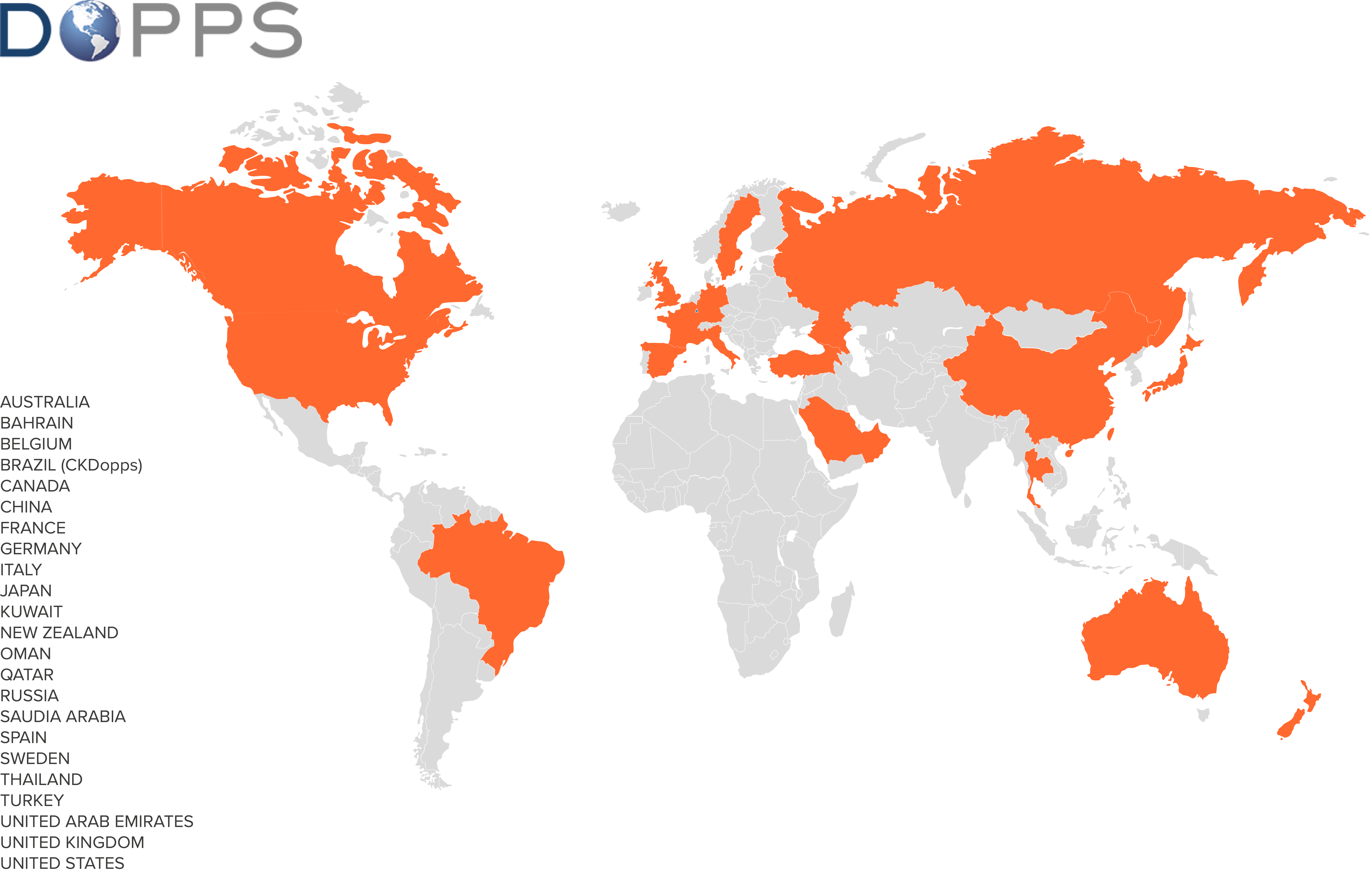
We may share your personal data with other companies of the Vifor Pharma Group to collect the information
required to respond to your request or for the other purposes specified in this privacy policy. You can
see the location of entities of the Vifor Pharma Group at https://www.viforpharma.com/en/about-vifor-pharma/global-presence
We work with third-party service providers who help us to collect and process safety information or who
provide other services such as technical support or data hosting. These service providers may have
access to your personal data in order to provide the services.
We may also disclose your personal data to:
- official authorities where applicable by law (e.g. reporting adverse events for pharmacovigilance),
court order or other legal proceeding;
- our legal and other expert advisors;
- distributors, license partners or other companies with whom we collaborate for the purposes
specified in this privacy notice.
Our service providers and collaboration partners are legally bound to keep all personal data confidential
and to use such information only to perform the services for which we engaged them or to comply with
legal obligations.
We could disclose your personal data to third parties in connection with the sale or transfer of all or
part of our business, in which case we would require the third parties to treat those data in accordance
with this privacy policy.
Some of the above-mentioned parties who receive your personal data may be located outside the country
where you live, including in countries not regarded by the competent authorities as providing an
adequate level of protection for personal data. In such cases, we ensure that appropriate safeguards are
in place to protect your personal data, such as EU standard contractual clauses. A copy of these clauses
may be obtained from our Data Protection Officer (GroupDPO@viforpharma.com).
How long do we store your personal data?
We store your personal data for as long as required to fulfill the purposes outlined in this privacy
policy, unless a longer or shorter retention period is required or permitted by law. Personal data that
you provide when you subscribe to receive electronic communications are erased 5 years after the date of
our last interaction with you. By law we must store your personal data relating to safety information
for at least ten years after the medicinal product is no longer available.
What are your rights regarding your personal data?
You are entitled at any time to access your personal data that we hold. To the extent legally
permissible, you can request that your data be erased, that errors be corrected or that processing of
your personal data be restricted. You can also object to our processing of your personal data, or
exercise your right of data portability where applicable.
If you would like to exercise your rights, please contact us as described in the section “How to contact
us” below. Please note that applicable laws may prevent us from complying with certain requests, such as
to erase safety information or to restrict our processing of it. You are entitled to lodge a complaint
with the data protection supervisory authority.
Links to other sites
We may provide links to other websites that we believe are useful. We cannot guarantee the standards or
privacy policies of the websites to which we link. We are not responsible for the content of any website
that is not owned by a Vifor Pharma Group company.
Personal data of children
This website is intended for adult use only, meaning anyone 18 years of age or older. We do not knowingly
collect personal data from anyone under the age of 18 through this website. We assume that any person
who provides their personal data through this website is at least 18 years old. If you would like to
contact us about personal data that your child may have provided without your consent, please see the
“How to contact us” section below. If we learn that we have collected personal data from a child under
the age of 18, we will erase such information promptly if allowed under applicable law.
Updates to this privacy policy
We may update this privacy policy from time to time. In this case, we will post updated versions on this
page. A revised privacy policy will apply only to personal data collected after its effective date (see
below).
How to contact us
Please contact us if you have any questions about this privacy policy or if you wish to exercise your
privacy rights:
- The “controller” of the personal data:
Vifor Pharma Management Ltd.
Flughofstrasse 61
P.O. Box
CH-8152 Glattbrugg
Switzerland
Tel. + 41 58 851 80 00
-
Our representative in the EU / EEA for data privacy purposes:
Vifor Pharma Deutschland GmbH
Baierbrunner Strasse 29
D-81379 Munich
Germany
dataprivacy_EEArep@viforpharma.com
- Our representative in the UK for data privacy purposes:
Vifor Pharma UK Ltd.
Second Floor, Waterfront
Watermans Business Park
Kingsbury Crescent
Staines-upon-Thames
TW18 3BA
United Kingdom
Tel: +44 01276 853 600
infovpuk@viforpharma.com
-
Our Data Protection Officer:
GroupDPO@viforpharma.com
Vifor Pharma Management Ltd.
Flughofstrasse 61
P.O. Box
CH-8152 Glattbrugg
Switzerland
Tel. + 41 58 851 80 00
- safety@viforpharma.com
Effective date: June 2021